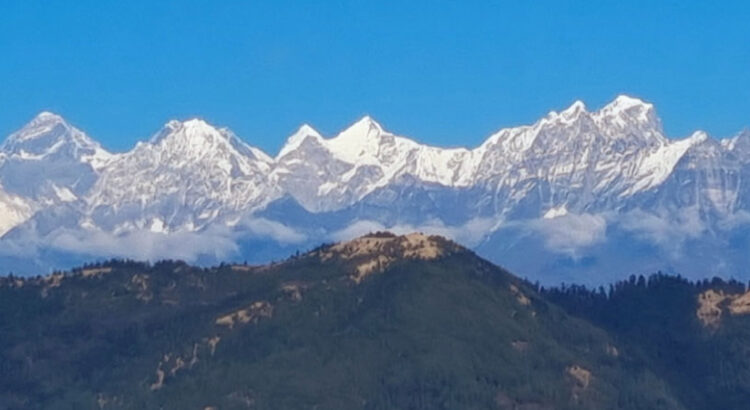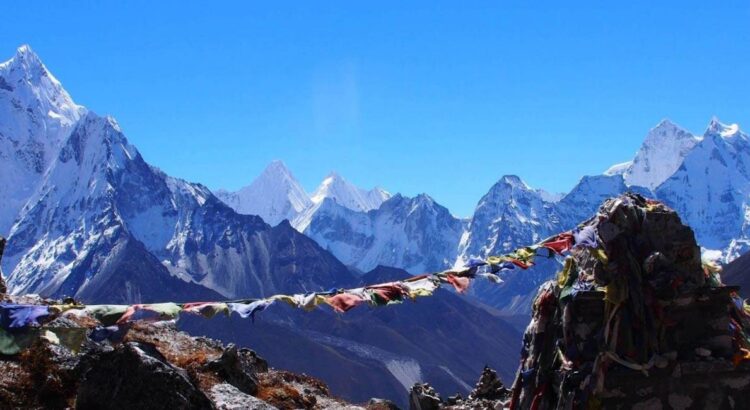
Embark on an exhilarating journey through the Himalayas with our selection of the top five Everest region trekking packages. From the iconic Everest Base Camp Trek, offering unparalleled views of the world’s highest peak, to the shorter yet equally captivating Everest Short Trek, each adventure promises a unique blend of breathtaking landscapes, cultural immersion, and thrilling challenges. Traverse the turquoise lakes and majestic glaciers of the Gokyo Lakes Trek, conquer the rugged mountain passes on the Everest Three High Passes Trek, and experience the serene beauty of the Pikey Peak Trek. Whether you’re seeking a classic trekking experience or a shorter, more accessible route, these carefully crafted packages cater to every level of adventurer. Join us as we discover the wonders of the Everest region and create memories to last a lifetime.
Everest Base Camp Trek
Introduction:
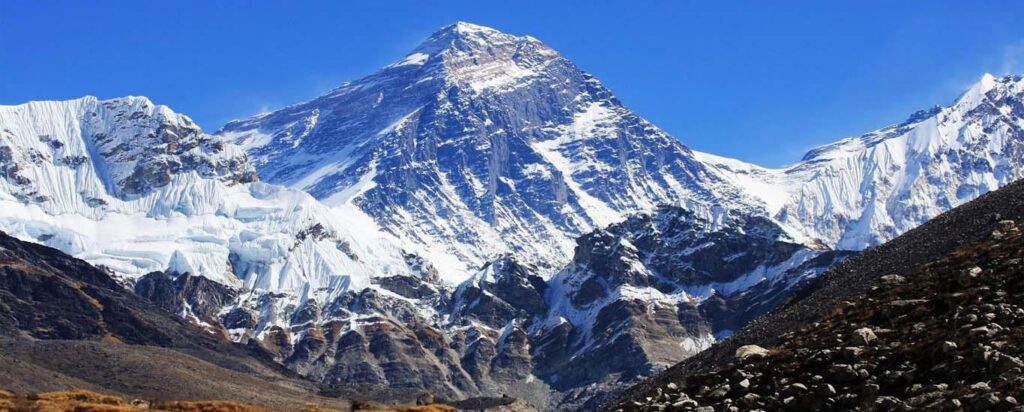
Prepare to embark on an extraordinary adventure to the fabled Everest Base Camp, nestled amidst the towering peaks of the Himalayas. This iconic trek promises an unforgettable odyssey through breathtaking landscapes, ancient Sherpa villages, and rugged mountain trails. As you follow in the footsteps of legendary mountaineers, you’ll witness awe-inspiring vistas of snow-capped peaks, including the majestic Mount Everest itself. With each step, you’ll immerse yourself in the rich cultural tapestry of the region, encountering prayer flags fluttering in the breeze and Buddhist monasteries perched on rocky cliffs. Join us as we embark on this epic journey to the roof of the world, where every moment is a testament to the indomitable spirit of human exploration.
Trip Highlights of Everest Base Camp Trek
- Trek to the iconic Everest Base Camp, the starting point for expeditions to summit the world’s highest peak.
- Witness panoramic views of Everest, Lhotse, Nuptse, and other Himalayan giants from viewpoints like Kala Patthar.
- Explore traditional Sherpa villages, immersing yourself in the rich culture and hospitality of the local communities.
- Visit ancient Buddhist monasteries such as Tengboche Monastery, steeped in centuries of history and spirituality.
- Trek through the breathtaking Sagarmatha National Park, home to diverse flora and fauna, including rare Himalayan wildlife like musk deer and snow leopards.
- Cross thrilling suspension bridges spanning deep gorges and traverse rugged mountain trails, experiencing the true essence of Himalayan trekking.
- Acclimatize at strategic points along the route to ensure a safe and enjoyable journey to Everest Base Camp.
- Capture unforgettable moments against the backdrop of some of the world’s most dramatic landscapes, creating memories to last a lifetime.
Tips for successful Everest Base Camp Trek:
01. Acclimatize Properly: Take your time and acclimatize at various points along the trek to avoid altitude sickness. Ascend gradually and allow your body to adjust to the increasing altitude.
02. Stay Hydrated and Well-Nourished: Drink plenty of water and eat nutritious meals to keep your energy levels up and aid in acclimatization.
03. Pack Wisely: Bring appropriate clothing and gear for varying weather conditions, including layers for warmth, sturdy hiking boots, sunscreen, and a good quality sleeping bag.
04. Train Beforehand: Engage in regular cardiovascular exercise and strength training to prepare your body for the physical demands of the trek.
05. Listen to Your Body: Pay attention to any signs of altitude sickness or exhaustion and communicate openly with your guide about how you’re feeling.
06. Follow Local Customs and Respect the Environment: Be mindful of local customs and traditions, such as removing shoes before entering monasteries, and practice Leave No Trace principles to minimize your impact on the environment.
07. Stay Safe and Listen to Your Guide: Follow safety guidelines provided by your trekking company or guide, including staying on designated trails and avoiding risky behaviors.
08. Have a Flexible Itinerary: Be prepared for changes in weather and trail conditions that may affect your trekking schedule. Flexibility is key to a successful and enjoyable experience.
09. Enjoy the Journey: Take time to appreciate the stunning scenery, interact with local communities, and savor every moment of your Everest Base Camp trek. It’s not just about reaching the destination, but also about the journey itself.
Everest Short Trek
Introduction:
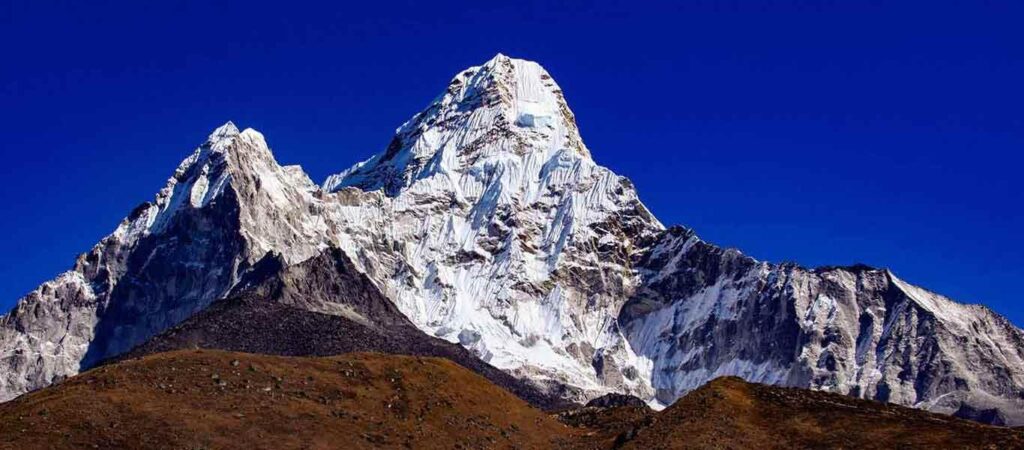
Prepare for an exhilarating journey through the majestic landscapes of the Everest region with our Everest Short Trek. Ideal for those with limited time yet a thirst for adventure, this condensed itinerary offers a thrilling glimpse into the heart of the Himalayas. From the bustling streets of Kathmandu to the serene mountain vistas of Namche Bazaar, every moment is infused with the spirit of exploration. Trekking through verdant forests, crossing suspension bridges, and encountering Sherpa culture along the way, this expedition promises to captivate your senses and leave you awestruck by the beauty of the world’s highest peaks. Join us for a compact yet unforgettable Himalayan experience that will ignite your passion for adventure and leave you longing to return for more.
Trip Highlights of Everest Short Trek
- Experience the thrill of trekking through the Himalayas in a condensed itinerary perfect for those with limited time.
- Explore the vibrant streets of Kathmandu, immersing yourself in the rich cultural tapestry of Nepal’s capital city.
- Trek through picturesque villages and lush rhododendron forests, soaking in breathtaking views of the surrounding mountain landscapes.
- Visit the charming Sherpa town of Namche Bazaar, a bustling hub of activity nestled in the heart of the Everest region.
- Enjoy panoramic vistas of Everest and neighboring peaks from strategic viewpoints along the trekking route.
- Immerse yourself in Sherpa culture and hospitality, interacting with locals and learning about their way of life.
- Capture stunning photographs against the backdrop of some of the world’s most iconic mountain scenery, creating memories to cherish for a lifetime.
Tips for successful Everest Short Trek
01. Plan Efficiently: With a shorter duration, efficient planning is crucial. Research the route, accommodation options, and transportation in advance to maximize your time on the trail.
02. Prioritize Essentials: Pack light but ensure you have all the essentials, including proper hiking gear, layers for varying weather conditions, sunscreen, and a refillable water bottle.
03. Focus on Acclimatization: Even though it’s a shorter trek, altitude can still be a factor. Take your time to acclimatize properly by ascending gradually and staying hydrated.
04. Listen to Your Body: Pay attention to any signs of altitude sickness or fatigue and communicate openly with your guide about how you’re feeling.
05. Stay Hydrated and Nourished: Drink plenty of water and eat nutritious meals to maintain your energy levels throughout the trek.
06. Embrace the Experience: While the trek is shorter, make the most of every moment by immersing yourself in the stunning landscapes, interacting with locals, and enjoying the unique cultural experiences along the way.
07. Be Flexible: Weather conditions in the mountains can be unpredictable, so be prepared for changes to your itinerary and stay flexible.
08. Stay Safe: Follow safety guidelines provided by your trekking company or guide, stay on designated trails, and avoid risky behaviors.
09. Enjoy the Journey: Appreciate the beauty of the Everest region and cherish the memories you create during your short but unforgettable trekking experience.
Gokyo Lakes Trek
Introduction:
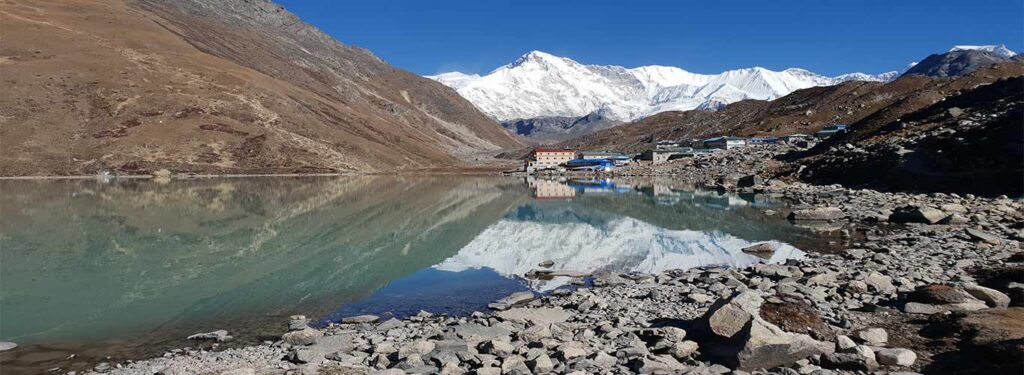
Prepare for an enchanting journey through the pristine landscapes of the Everest region with the Gokyo Lakes Trek. This captivating adventure takes you off the beaten path to discover the shimmering turquoise lakes nestled amidst the towering peaks of the Himalayas. As you trek through picturesque valleys, cross thrilling suspension bridges, and ascend to high mountain passes, you’ll be rewarded with breathtaking vistas of snow-capped peaks reflected in the crystal-clear waters of the Gokyo Lakes. Immerse yourself in the tranquility of this remote corner of the world, where every step brings you closer to the natural beauty and spiritual serenity of the Himalayas.
Trip Highlights of Gokyo Lakes Trek
- Scenic Gokyo Lakes: Explore the mesmerizing series of glacial lakes, renowned for their stunning turquoise waters reflecting the surrounding snow-capped peaks.
- Gokyo Ri Summit: Ascend to the summit of Gokyo Ri, a vantage point offering panoramic views of Everest, Lhotse, Makalu, and Cho Oyu, among other Himalayan giants.
- Ngozumpa Glacier: Traverse the largest glacier in the Himalayas, the Ngozumpa Glacier, marveling at its vast expanse and jagged ice formations.
- Renjo La Pass: Cross the challenging Renjo La Pass, where you’ll be treated to unparalleled vistas of the surrounding peaks and valleys.
- Sherpa Culture: Immerse yourself in Sherpa culture as you visit traditional villages like Gokyo and interact with local inhabitants, gaining insight into their way of life and hospitality.
- Sagarmatha National Park: Trek through the UNESCO World Heritage-listed Sagarmatha National Park, home to a diverse range of flora and fauna, including rare Himalayan wildlife such as the snow leopard and musk deer.
- Tranquil Himalayan Landscapes: Experience the serenity of the Himalayas as you trek through pristine alpine meadows, rhododendron forests, and rugged mountain terrain.
- Photographic Opportunities: Capture stunning photographs at every turn, with dramatic mountain vistas, shimmering lakes, and colorful prayer flags providing endless opportunities for memorable shots.
Tips for successful Gokyo Lakes Trek
01. Acclimatize Gradually: Given the altitude, acclimatization is crucial. Plan your itinerary to include rest days and gradual altitude gains to prevent altitude sickness.
02. Stay Hydrated: Drink plenty of water to stay hydrated, as dehydration can exacerbate altitude-related symptoms.
03. Pack Appropriately: Bring layers of clothing suitable for varying weather conditions, including warm clothing for chilly nights and breathable layers for daytime trekking.
04. Prepare for the Terrain: Be ready for diverse terrain, including rocky paths, steep ascents, and potentially icy conditions, especially near the glaciers.
05. Start Early: Begin your trek early in the day to take advantage of clearer weather and avoid afternoon clouds that may obstruct views.
06. Listen to Your Body: Pay attention to signs of altitude sickness or fatigue and communicate openly with your guide about how you’re feeling.
07. Respect the Environment: Practice Leave No Trace principles, disposing of waste properly and respecting wildlife and local customs.
08. Stay Safe: Follow safety guidelines provided by your trekking company or guide, including staying on designated trails and avoiding risky behaviors.
09. Enjoy the Journey: Take time to appreciate the stunning landscapes, interact with locals, and savor every moment of your Gokyo Lakes trek. It’s not just about reaching the destination, but also about the journey itself.
Everest Three High Passes Trek
Introduction
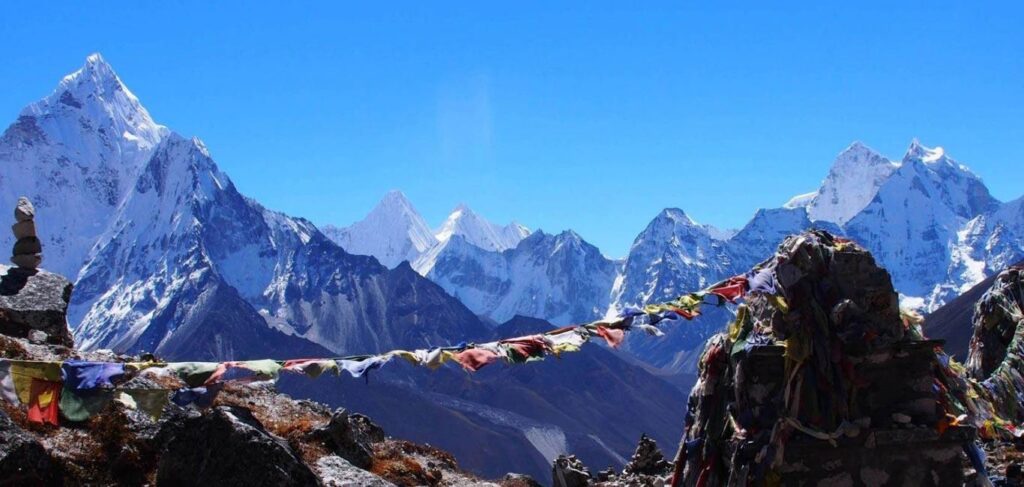
Brace yourself for the ultimate Himalayan adventure as you embark on the Everest Three High Passes Trek. This exhilarating journey takes you beyond the beaten path to conquer some of the most challenging mountain passes in the world. Traverse rugged terrain, cross towering passes, and immerse yourself in the breathtaking landscapes of the Everest region. With each step, you’ll push your limits, soak in awe-inspiring vistas, and experience the raw beauty of the Himalayas like never before. Join us as we embark on this epic odyssey, where every summit conquered is a testament to your spirit of adventure and determination.
Trip Highlights of Everest Three High Passes Trek
- High Mountain Passes: Conquer three of the Himalayas’ most challenging passes – Renjo La, Cho La, and Kongma La – each offering breathtaking panoramic views of Everest and neighboring peaks.
- Everest Base Camp: Trek to the iconic Everest Base Camp, the starting point for mountaineers attempting to summit the world’s highest peak.
- Gokyo Ri Summit: Ascend to the summit of Gokyo Ri for unparalleled panoramic views of Everest, Lhotse, Makalu, and Cho Oyu, among other Himalayan giants.
- Gokyo Lakes: Explore the stunning turquoise lakes of Gokyo, nestled amidst the towering peaks of the Everest region.
- Remote Villages: Immerse yourself in the rich Sherpa culture as you visit remote villages like Gokyo, Thame, and Dingboche, gaining insight into the traditional way of life in the Himalayas.
- Sagarmatha National Park: Trek through the UNESCO World Heritage-listed Sagarmatha National Park, home to a diverse range of flora and fauna, including rare Himalayan wildlife such as the snow leopard and musk deer.
- Serene Himalayan Landscapes: Experience the serenity of the Himalayas as you trek through pristine alpine meadows, rhododendron forests, and rugged mountain terrain.
- Photographic Opportunities: Capture stunning photographs at every turn, with dramatic mountain vistas, shimmering lakes, and colorful prayer flags providing endless opportunities for memorable shots.
Tips for successful Everest Three High Passes Trek
01. Physical Preparation: Engage in regular cardiovascular exercise and strength training to prepare your body for the physical demands of the trek, including long days of hiking and crossing challenging mountain passes.
02. Gradual Acclimatization: Allow plenty of time for acclimatization by incorporating rest days and gradual altitude gains into your itinerary to minimize the risk of altitude sickness.
03. Pack Wisely: Pack light but ensure you have all the essentials, including appropriate clothing for varying weather conditions, sturdy hiking boots, sunscreen, and a refillable water bottle.
04. Stay Hydrated and Nourished: Drink plenty of water and eat nutritious meals to maintain your energy levels throughout the trek, especially at high altitudes where dehydration and loss of appetite are common.
05. Listen to Your Body: Pay attention to any signs of altitude sickness or fatigue and communicate openly with your guide about how you’re feeling. It’s important to know your limits and not push yourself too hard.
06. Be Weather Prepared: Be prepared for unpredictable weather conditions in the mountains by bringing layers of clothing, including warm layers for cold temperatures and waterproof gear for rain or snow.
07. Follow Safety Guidelines: Follow safety guidelines provided by your trekking company or guide, including staying on designated trails, avoiding risky behaviors, and listening to your guide’s instructions.
08. Be Flexible: Be prepared for changes to your itinerary due to weather conditions or other unforeseen circumstances. Flexibility is key to a successful and enjoyable trek.
09. Enjoy the Journey: Embrace the challenges and rewards of the Everest Three High Passes Trek, and take time to appreciate the stunning landscapes, interact with locals, and create lasting memories along the way.
Pikey Peak Trek
Introduction:
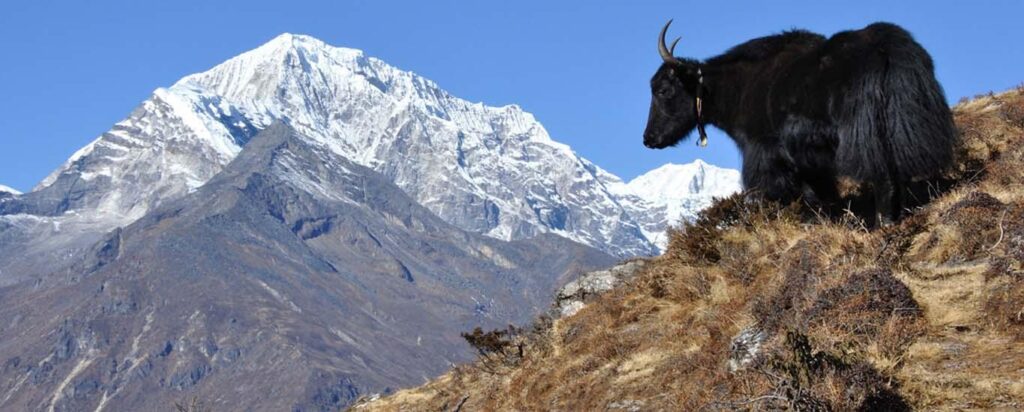
Embark on a serene adventure through the picturesque landscapes of the Everest region with the Pikey Peak Trek. Nestled amidst the majestic peaks of the Himalayas, Pikey Peak offers a less-traveled route for those seeking tranquility and breathtaking vistas. This off-the-beaten-path trek takes you through charming Sherpa villages, lush forests, and high alpine meadows, culminating in the summit of Pikey Peak itself. As you ascend to the summit, you’ll be rewarded with panoramic views of Everest, Makalu, Lhotse, and countless other snow-capped peaks. Join us on this unforgettable journey as we explore the beauty and serenity of the Himalayas from the tranquil heights of Pikey Peak.
Trip Highlights of Pikey Peak Trek
- Summiting Pikey Peak: Reach the summit of Pikey Peak, standing at an elevation of 4,065 meters (13,333 feet), and witness breathtaking panoramic views of the surrounding Himalayan peaks, including Everest, Makalu, and Lhotse.
- Cultural Immersion: Immerse yourself in the rich Sherpa culture as you trek through traditional Sherpa villages like Junbesi, Ringmo, and Chiwong, interacting with locals and learning about their way of life.
- Scenic Landscapes: Trek through diverse landscapes, including lush forests, rhododendron-filled hillsides, and high alpine meadows, offering stunning views at every turn.
- Peaceful Environment: Enjoy the tranquility of the less-traveled Pikey Peak route, away from the crowds of more popular trekking destinations, and savor the peaceful ambiance of the Himalayan wilderness.
- Sunrise and Sunset Views: Experience magical sunrise and sunset moments from Pikey Peak, with the sun casting a golden glow over the surrounding mountains, creating a truly unforgettable sight.
- Buddhist Monasteries: Visit ancient Buddhist monasteries and stupas along the trekking route, such as Thupten Chholing Monastery, and immerse yourself in the spiritual atmosphere of the Himalayas.
- Wildlife Spotting: Keep an eye out for Himalayan wildlife, including musk deer, Himalayan thar, and various bird species, as you trek through the pristine natural surroundings of the Pikey Peak region.
- Photographic Opportunities: Capture stunning photographs of the Himalayan landscapes, traditional Sherpa villages, and cultural landmarks, creating lasting memories of your Pikey Peak trekking adventure.
Tips for successful Pikey Peak Trek
01. Gradual Acclimatization: Take your time to acclimatize properly to the altitude, especially before reaching the summit of Pikey Peak. Ascend gradually and incorporate rest days into your itinerary to minimize the risk of altitude sickness.
02. Proper Gear: Pack appropriate clothing and gear for varying weather conditions, including layers for warmth, waterproof outerwear, sturdy hiking boots, and a good quality sleeping bag.
03. Stay Hydrated and Nourished: Drink plenty of water and eat nutritious meals to maintain your energy levels throughout the trek. Carry snacks for quick energy boosts during long days of hiking.
04. Follow the Trail: Stick to designated trekking trails and follow the guidance of your guide or local maps to avoid getting lost in the remote mountain terrain.
05. Be Weather Aware: Be prepared for changing weather conditions in the mountains, including sudden changes in temperature, rain, or snow. Check weather forecasts before starting your trek and be ready to adjust your plans accordingly.
06. Stay Safe: Follow safety guidelines provided by your trekking company or guide, including staying on designated trails, avoiding risky behaviors, and listening to your guide’s instructions.
07. Respect Local Culture: Be respectful of local customs and traditions, such as removing shoes before entering monasteries, and interact with locals in a friendly and culturally sensitive manner.
08. Pack Light: Keep your backpack lightweight by bringing only essential items and leaving unnecessary gear behind. A lighter pack will make your trek more enjoyable and reduce strain on your body.
09. Enjoy the Journey: Take time to appreciate the stunning landscapes, cultural experiences, and peaceful ambiance of the Pikey Peak region. Embrace the challenges and rewards of trekking in the Himalayas and create lasting memories along the way.
Conclusion:
In conclusion, the Everest region offers a treasure trove of unforgettable trekking experiences, each offering its own unique blend of adventure, natural beauty, and cultural immersion. Whether you choose to conquer the iconic Everest Base Camp trek, embark on the exhilarating Everest Three High Passes adventure, or seek tranquility on the less-traveled Pikey Peak route, you’re guaranteed to be mesmerized by the majestic landscapes and warm hospitality of the Sherpa people. From the towering peaks of the Himalayas to the tranquil shores of the Gokyo Lakes, the Everest region beckons adventurers from around the globe to explore its breathtaking wonders. So, pack your bags, lace up your boots, and embark on an epic journey to discover the unparalleled beauty of the Everest region, where every step is a testament to the indomitable spirit of human exploration.