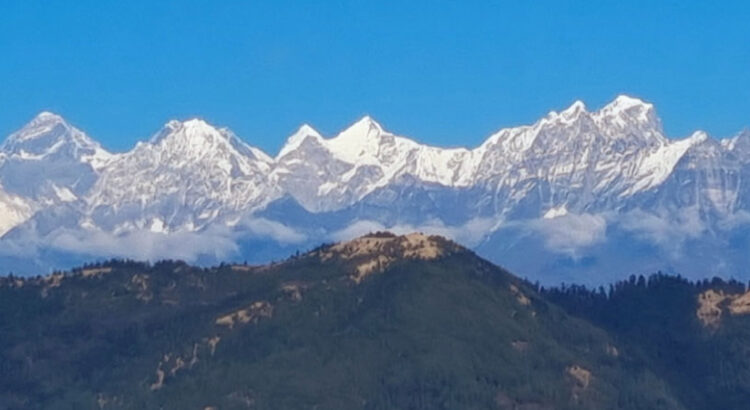
Pikey Peak Trek Introduction
Welcome to Nepal! Immerse yourself in the beauty of the Himalayas with our 9-day Pikey Peak Trek. This trek offers a perfect blend of adventure and cultural exploration as you journey through picturesque villages, lush forests, and awe-inspiring mountain landscapes. At 4,065 meters, Pikey Peak boasts stunning panoramic views of Everest, Makalu, and other majestic peaks. Along the way, experience the warm hospitality of local Sherpa communities and witness their unique way of life. With comfortable accommodations and experienced guides, our Pikey Peak Trek promises an unforgettable Himalayan adventure for nature lovers and trekkers of all levels. Join us and discover the magic of Nepal’s mountainous landscapes!
Trip Highlights of Pikey Peak Trek
- Spectacular Panoramic Views: Witness breathtaking vistas of Everest, Makalu, and other Himalayan peaks from the summit of Pikey Peak.
- Cultural Immersion: Immerse yourself in Sherpa culture as you visit charming villages and ancient monasteries along the trekking route.
- Scenic Landscapes: Trek through lush forests, alpine meadows, and rhododendron-filled valleys, experiencing the diverse beauty of the Himalayan terrain.
- Comfortable Accommodations: Enjoy cozy lodges and teahouses with modern amenities, providing a comfortable retreat after each day’s trek.
- Expert Guidance: Trek with experienced guides who provide insights into local culture, ensure your safety, and enhance your overall trekking experience.
- Suitable for All Levels: Whether you’re a novice trekker or an experienced adventurer, the Pikey Peak Trek offers a rewarding and manageable challenge for all levels of fitness.
- Authentic Sherpa Hospitality: Experience the warm hospitality of the Sherpa people, known for their friendliness and generosity towards visitors.
- Photography Opportunities: Capture stunning landscapes, vibrant culture, and majestic mountain vistas at every turn, perfect for photography enthusiasts.
- Memorable Sunrise and Sunset: Witness unforgettable sunrise and sunset views from Pikey Peak, painting the sky with hues of orange and pink against the backdrop of the Himalayas.
- Off the Beaten Path: Explore a lesser-known trekking route that offers tranquility and a sense of remoteness, away from the crowds of more popular trekking destinations.
Pikey Peak Trek Itinerary
Day 01: Arrival At TIA Kathmandu (1400 Meters)
Day 02: Drive from Kathmandu to Dhap (2850m), 6-7 hours’ drive
Day 03: Trek from Dhap Bazaar to Jhapre (2,815m), 4 hours trek
Day 04: Trek from Jhapre to Pikey Base Camp (3,640m), 5 hours trek
Day 05: Trek from Pikey Base Camp to Junbesi (2,680m) via Pikey Peak (4,065m), 6 hours trek
Day 06: Hike to Thuptenchholing Gompa (2,920m), 4 hours trek
Day 07: Trek from Junbesi to Phaplu (2,380m), 4 hours trek
Day 08: Flight from Phaplu to Kathmandu, Free day
Day 09: Final Departure
Why Choose Pikey Peak Trek?
Choosing the Pikey Peak Trek offers an unparalleled Himalayan adventure with a perfect balance of natural beauty, cultural immersion, and trekking excitement. With its stunning panoramic views of Everest, Makalu, and other Himalayan giants, the trek promises unforgettable vistas that rival those of more popular routes. Immerse yourself in the rich Sherpa culture as you visit charming villages and ancient monasteries along the way, experiencing authentic hospitality and warm encounters with locals. Unlike more crowded treks, the Pikey Peak route offers tranquility and a sense of remoteness, allowing for a deeper connection with nature and a truly immersive trekking experience. With comfortable accommodations, expert guides, and suitability for trekkers of all levels, the Pikey Peak Trek beckons adventurers seeking an off-the-beaten-path Himalayan journey filled with awe-inspiring moments and lifelong memories.
Why is the Famous Pikey Peak Trek?
The Pikey Peak Trek has gained fame for several compelling reasons. Firstly, it offers unparalleled panoramic views of the Himalayas, including iconic peaks like Everest and Makalu, making it a paradise for nature lovers and photography enthusiasts alike. Secondly, the trek provides a unique opportunity to immerse oneself in Sherpa culture, visiting traditional villages, monasteries, and experiencing the warm hospitality of the Sherpa people. Additionally, the Pikey Peak route is less crowded compared to other popular treks in the region, offering a more tranquil and off-the-beaten-path experience. Its moderate difficulty level and suitability for trekkers of all levels also contribute to its popularity, making it an accessible yet rewarding adventure in the heart of the Himalayas.
Best Season for Pikey Peak Trek
The best seasons for the Pikey Peak Trek are spring (March to May) and autumn (September to November). During these periods, the weather is generally stable, with clear skies and mild temperatures, offering ideal conditions for trekking. Spring brings blooming rhododendrons and vibrant flora, adding to the scenic beauty of the trekking route. Autumn offers crisp air, excellent visibility, and stunning views of the Himalayan peaks, making it a popular choice among trekkers. These seasons also coincide with the peak trekking seasons in Nepal, ensuring a vibrant atmosphere on the trails and ample opportunities for cultural encounters with local communities.
Pikey Peak Trek Difficulty
The Pikey Peak Trek is considered a moderate trekking route, suitable for trekkers of varying experience levels. While it does involve some challenging ascents and descents, the overall difficulty level is manageable for most people with a reasonable level of fitness. The highest point of the trek, Pikey Peak at 4,065 meters (13,369 feet), requires some endurance and acclimatization, but it is achievable with proper preparation and a gradual ascent. The trekking days typically involve 5-7 hours of walking on uneven terrain, with occasional steep sections. With the support of experienced guides, comfortable accommodations, and proper acclimatization, the Pikey Peak Trek offers a rewarding adventure in the Himalayas for those seeking a moderate challenge.
Accommodations Facilities for Pikey Peak Trek
During the Pikey Peak Trek, trekkers can expect a range of accommodation options that cater to varying preferences and budgets. Along the trekking route, there are comfortable teahouses, lodges, and guesthouses providing basic yet cozy accommodation facilities. These accommodations typically offer twin-bedded rooms with shared bathrooms, providing trekkers with a comfortable place to rest and recharge after a day of trekking. While the amenities may vary from lodge to lodge, most offer clean bedding, hot showers (though sometimes shared), and communal dining areas where trekkers can enjoy delicious meals and socialize with fellow adventurers. Additionally, some lodges may offer amenities such as Wi-Fi and charging facilities, although these may be limited or intermittent due to the remote location. Overall, the accommodations along the Pikey Peak Trek provide a welcoming and enjoyable experience amidst the stunning Himalayan landscapes.
Meal Facilities during the Pikey Peak Trek
During the Pikey Peak Trek, trekkers can enjoy hearty and delicious meals at the teahouses, lodges, and guesthouses along the route. Meals are typically served in communal dining areas, where trekkers can enjoy a cozy atmosphere and socialize with fellow adventurers. The meal options are often varied and include a combination of local Nepali dishes and international cuisine to cater to different tastes and preferences. Typical meals include dal bhat (rice with lentil soup), noodles, pasta, potatoes, vegetables, soups, and various meat or vegetarian options. Breakfasts often consist of eggs, bread, pancakes, porridge, or muesli, accompanied by hot beverages such as tea or coffee. Trekkers can also purchase snacks and drinks at the lodges to keep energized during the trekking days. Overall, the meal facilities during the Pikey Peak Trek ensure that trekkers are well-fed and satisfied throughout their journey in the Himalayas.
Route Permits for Pikey Peak Trek
For the Pikey Peak Trek, trekkers need to obtain two permits:
01. Trekkers’ Information Management System (TIMS) Card: The TIMS card is a mandatory permit for all trekkers visiting the Everest region, which includes the Pikey Peak Trek. It helps in ensuring the safety and security of trekkers by providing their details to authorities. Trekkers can obtain the TIMS card from the Trekking Agencies’ Association of Nepal (TAAN) office in Kathmandu or directly in Monjo before entering Sagarmatha National Park.
02. Local Entry Permits: Depending on the specific route and areas included in the trek, trekkers may also need to obtain local entry permits from the respective local government authorities or conservation offices. These permits vary depending on the regions visited during the trek.
It’s essential for trekkers to ensure they have all the necessary permits before embarking on the Pikey Peak Trek to avoid any complications during the journey.
Pikey Peak Trek Cost Breakdown
The cost breakdown for the Pikey Peak Trek typically includes the following:
Cost for Permits and Entry Fees:
Trekkers’ Information Management System (TIMS) Card: Approximately USD 10-20 per person.
Local Entry Permits: Varies depending on the specific route and areas included in the trek.
Cost for Transportation:
Ground Transportation: Costs vary depending on the mode of transportation (e.g., bus, private vehicle) from Kathmandu to the starting point of the trek and back.
Cost for Accommodation:
Teahouse/Lodge Accommodation: Approximately USD 10-20 per person per night. Costs may vary depending on the level of comfort and facilities provided.
Cost for Meals:
Meals at Teahouses/Lodges: Approximately USD 20-30 per day, including breakfast, lunch, and dinner. Costs may vary based on menu choices and dietary preferences.
Cost for Guide and Porter Fees (Optional but recommended):
Guide: Approximately USD 20-30 per day.
Porter: Approximately USD 15-25 per day.
Cost for Additional Expenses:
Equipment Rental (if needed): Prices vary depending on the items rented (e.g., trekking poles, sleeping bags, down jackets).
Personal Expenses: Varies depending on individual preferences for souvenirs, snacks, drinks, etc.
Tips: Recommended for guides, porters, and teahouse staff.
The total cost for the Pikey Peak Trek can vary depending on factors such as group size, season, itinerary variations, and personal spending habits. It’s advisable to budget accordingly and inquire with a reputable trekking agency for the most accurate and up-to-date pricing information.
Tips for a Successful Pikey Peak Trek
Here are some tips for a successful Pikey Peak Trek:
01. Physical Preparation: Engage in regular cardiovascular and strength training exercises to build endurance and stamina before the trek.
02. Acclimatization: Take your time to acclimatize properly to the altitude by ascending gradually and taking rest days as needed.
03. Pack Wisely: Pack light but essential items such as layers of clothing, sturdy trekking boots, sunscreen, sunglasses, a hat, a refillable water bottle, snacks, and a basic first aid kit.
04. Stay Hydrated and Nourished: Drink plenty of water to stay hydrated and eat nutritious meals to fuel your body for the trekking days ahead.
05. Follow Local Customs: Respect the local culture and customs of the Sherpa people. Dress modestly, ask for permission before taking photos of locals, and be courteous to fellow trekkers and guides.
06. Stay Safe: Always follow the advice of your guide and adhere to safety protocols. Be cautious while trekking on steep or rocky terrain, and avoid risky behavior.
07. Stay Warm: Dress in layers to adapt to changing temperatures throughout the day. Bring warm clothing for chilly mornings and evenings, even during the warmer seasons.
08. Stay Connected: Inform someone of your trekking itinerary and keep in touch with your guide or trekking group to ensure safety and communication.
09. Respect Nature: Leave no trace by disposing of waste properly and respecting the natural environment. Carry out all trash and leave the trails as you found them.
10. Enjoy the Journey: Take time to appreciate the stunning landscapes, cultural experiences, and camaraderie with fellow trekkers. The Pikey Peak Trek is not just about reaching the destination but also about enjoying the journey itself.
Altitude Sickness Prevention Tips for Pikey Peak Trek
Altitude sickness prevention is crucial for a successful Pikey Peak Trek. Here are some tips to help prevent altitude sickness:
01. Gradual Ascent: Ascend gradually and allow time for proper acclimatization. Follow the principle of “climb high, sleep low” to give your body time to adjust to the altitude.
02. Stay Hydrated: Drink plenty of water to stay hydrated, as dehydration can exacerbate altitude sickness. Aim to drink at least 3-4 liters of water per day.
03. Avoid Alcohol and Caffeine: Limit or avoid alcohol and caffeine, as they can contribute to dehydration and worsen altitude sickness symptoms.
04. Proper Nutrition: Eat small, frequent meals rich in carbohydrates and easy-to-digest proteins to maintain energy levels and support acclimatization.
05. Medication: Consider taking preventive medications such as acetazolamide (Diamox) under the guidance of a medical professional to help prevent altitude sickness.
06. Monitor Symptoms: Be aware of the symptoms of altitude sickness, including headache, nausea, dizziness, fatigue, and difficulty sleeping. Inform your guide immediately if you experience any symptoms.
07. Rest and Acclimatization Days: Incorporate rest days into your trekking itinerary to allow your body time to acclimatize to higher altitudes. Avoid overexertion and listen to your body’s signals.
08. Descend if Necessary: If symptoms of altitude sickness persist or worsen despite rest and hydration, descend to a lower altitude immediately. Do not continue ascending until symptoms improve.
09. Stay Warm: Dress in layers to stay warm and prevent hypothermia, which can exacerbate altitude sickness symptoms. Protect exposed skin from the sun to prevent sunburn.
10. Stay Informed: Educate yourself about altitude sickness prevention and treatment before embarking on the trek. Follow the advice of your guide, who is trained to recognize and respond to altitude-related issues.
Pikey Peak Trek Route
The Pikey Peak Trek route typically follows a scenic trail through the Solu-Khumbu region of Nepal. While specific itineraries may vary, here is a general overview of the main route:
Kathmandu to Dhap/Bandar: The journey starts with a scenic drive from Kathmandu to the trekking starting point in Dhap or Bandar, depending on the chosen route.
Dhap/Bandar to Jhapre: Trekking begins from Dhap or Bandar, ascending through terraced fields, forests, and picturesque Sherpa villages to reach Jhapre, a charming village with stunning mountain views.
Jhapre to Pikey Base Camp: The trail continues through rhododendron forests and yak pastures, gradually ascending to Pikey Base Camp, where trekkers can enjoy panoramic views of the Himalayas.
Pikey Base Camp to Junbesi: Descend from Pikey Base Camp to Junbesi, passing through remote villages, Buddhist monasteries, and lush valleys along the way.
Junbesi to Phaplu: Trek through beautiful landscapes and traditional Sherpa settlements to reach Phaplu, a bustling town and gateway to the Everest region.
Phaplu to Kathmandu: The trek concludes with a scenic flight from Phaplu to Kathmandu, offering stunning aerial views of the Himalayas before returning to the capital city.
This route offers trekkers a unique opportunity to explore off-the-beaten-path trails, experience authentic Sherpa culture, and enjoy breathtaking views of the Himalayan peaks, including Mount Everest, Makalu, and Numbur Himal.
Kathmandu to Pikey Peak Distance
The distance from Kathmandu to Pikey Peak, one of the highest points of the trek at 4,065 meters (13,369 feet), varies depending on the specific trekking route chosen. However, the most common starting point for the Pikey Peak Trek is Dhap or Bandar, which is approximately 260 kilometers (162 miles) east of Kathmandu. The trekking route typically takes several days to reach Pikey Peak, passing through picturesque villages, lush forests, and alpine meadows along the way. Traveling by road from Kathmandu to the trek starting point may take around 7-10 hours, followed by trekking for several days to reach Pikey Peak.
Similar Trekking Packages of Pikey Peak Trek
If you enjoyed the Pikey Peak Trek, you might also be interested in these similar trekking packages:
Gokyo Valley Trek: Explore the pristine Gokyo Valley and its turquoise lakes while enjoying panoramic views of Everest, Cho Oyu, and other Himalayan peaks. This trek offers a more remote and less crowded alternative to the Everest Base Camp Trek.

Three Passes Trek: Embark on a challenging adventure through the Everest region, crossing three high mountain passes – Renjo La, Cho La, and Kongma La. This trek offers breathtaking views, remote landscapes, and encounters with Sherpa culture.

Everest Base Camp Trek: Trek to the base camp of the world’s highest mountain, Mount Everest. This iconic trek takes you through picturesque Sherpa villages, alpine forests, and glacier moraines, culminating in awe-inspiring views of Everest and its surrounding peaks.

Langtang Valley Trek: Discover the stunning Langtang Valley, known as the “Valley of Glaciers,” located north of Kathmandu. This trek offers spectacular mountain scenery, diverse flora and fauna, and encounters with Tamang and Sherpa communities.

Annapurna Circuit Trek: Trek around the Annapurna Massif, one of the most diverse and scenic trekking routes in Nepal. This trek takes you through lush forests, traditional villages, and high mountain passes, offering stunning views of Annapurna and Dhaulagiri ranges.

Manaslu Circuit Trek: Explore the remote and culturally rich Manaslu region, trekking around the eighth highest mountain in the world, Mount Manaslu. This trek offers pristine landscapes, authentic villages, and breathtaking mountain vistas.

These trekking packages offer similar experiences to the Pikey Peak Trek, including stunning mountain views, cultural encounters, and remote trekking routes in the Himalayas.
Pikey Peak Trek FAQ(s)
01. What is the Pikey Peak Trek?
The Pikey Peak Trek is a scenic trekking route in the Solu-Khumbu region of Nepal, known for its panoramic views of the Himalayas, including Mount Everest, Makalu, and Numbur Himal.
02. How long does the Pikey Peak Trek take?
The duration of the Pikey Peak Trek typically ranges from 7 to 10 days, depending on the specific itinerary and starting point.
03. What is the highest altitude reached during the Pikey Peak Trek?
The highest point of the Pikey Peak Trek is Pikey Peak itself, which stands at an elevation of 4,065 meters (13,369 feet) above sea level.
04. When is the best time to do the Pikey Peak Trek?
The best times to undertake the Pikey Peak Trek are during the spring (March to May) and autumn (September to November) seasons when the weather is generally clear and stable, offering optimal trekking conditions.
05. Is the Pikey Peak Trek suitable for beginners?
Yes, the Pikey Peak Trek is considered a moderate trek suitable for trekkers of varying experience levels. However, a reasonable level of fitness and preparation is recommended due to the altitude and terrain.
06. What permits are required for the Pikey Peak Trek?
Trekkers need to obtain permits such as the Trekkers’ Information Management System (TIMS) card and local entry permits, which can be arranged through authorized trekking agencies or obtained locally.
07. What kind of accommodation is available during the Pikey Peak Trek?
Accommodation along the Pikey Peak Trek route primarily consists of teahouses, lodges, and guesthouses offering basic but comfortable amenities such as twin-bedded rooms and communal dining areas.
08. Are there any health risks associated with altitude during the Pikey Peak Trek?
Altitude sickness can be a concern during the Pikey Peak Trek, so it’s essential to acclimatize properly, stay hydrated, and be aware of symptoms. It’s advisable to trek with an experienced guide who can assist in recognizing and managing altitude-related issues.
09. What should I pack for the Pikey Peak Trek?
Essential items to pack for the Pikey Peak Trek include sturdy trekking boots, warm clothing, waterproof layers, sunscreen, sunglasses, a hat, a refillable water bottle, snacks, and a basic first aid kit.
10. Is it necessary to hire a guide for the Pikey Peak Trek?
While hiring a guide is not mandatory, it is recommended for navigation, safety, and cultural insights. Experienced guides can enhance the trekking experience and provide valuable assistance in case of emergencies.
Pikey Peak Trek Conclusion
In conclusion, the Pikey Peak Trek offers an enchanting journey through the serene landscapes and rich cultural heritage of the Solu-Khumbu region in Nepal. With its panoramic views of Mount Everest, Makalu, and Numbur Himal, this trek promises awe-inspiring vistas that captivate the heart of every adventurer. Along the trail, trekkers encounter traditional Sherpa villages, ancient monasteries, and vibrant rhododendron forests, immersing themselves in the warmth and hospitality of the local communities. Whether it’s the challenging ascent to Pikey Peak, the tranquil beauty of the Himalayan landscapes, or the cultural encounters with the Sherpa people, the Pikey Peak Trek leaves an indelible mark, creating memories to cherish for a lifetime.